“Behold, the people are one, and they all speak the same language… Let us go down and give them different languages, so they may understand one another in new ways.” – Genesis 11:6-7 (Paraphrased for modern context)
Curriculum Vision
Our vision in MFL is that all language learners develop the skills and confidence to consider themselves as ‘World Citizens’ who belong in a multicultural, mutually respectful world. As a Christian school, we aim for our learners of MFL to have a deep sense of connection to the countries and cultures where each language is spoken, and to develop an appreciation of all that life offers around the world.
We are committed to ensuring that every learner in our care, regardless of socio-economic background, heritage, or prior experience, feels that they belong in the language classroom and that language learning is for them. We believe that intercultural understanding, global curiosity, and a love of languages are not privileges reserved for a few, but opportunities that should be accessible to all. We aim to break down barriers and build learners’ confidence, so they know they can succeed and thrive in MFL.
Our curriculum and teaching reflect these values. We create an inclusive, inspiring, and empowering environment, where all students are encouraged to be curious, open-minded, and resilient. We recognise that many learners may not have had the chance to travel or be exposed to other cultures first-hand, so we bring the wider world into the classroom and help our students see their place within it.
We aim to support learners to understand other countries and cultures so they can become more open and adaptable to new experiences. Through languages, we promote curiosity, problem-solving skills and deepen understanding; not only of other people and places, but also of learners’ own identity and culture. The department is committed to developing strong, lifelong linguistic skills, building learners’ communication and literacy, and preparing them for a globalised world of work.
We are proud that the transferable skills developed through language learning, such as communication, resilience, critical thinking, and cultural awareness, support our learners across the curriculum and beyond. The personal qualities we nurture, including empathy, perseverance and adaptability, are lifelong assets that will serve our students well in their future education, careers, and relationships. One of our greatest strengths is the rich exposure to languages and cultures we offer, and we are proud of how we carefully sequence our curriculum to ensure clarity, progression, and success for all learners, regardless of ability.
We also foster a strong and supportive culture of error, where effort is celebrated more than ability, and mistakes are seen as essential stepping stones to growth. In our classrooms, learners are encouraged to take risks, reflect, and learn together in a safe and respectful environment. It is in this nurturing space that we flourish together—as linguists, as learners, and as global citizens.
Ultimately, we want our students to develop a love of languages and a genuine intercultural understanding. We aim to achieve this by nurturing their linguistic curiosity, building intrinsic motivation, and helping every learner take pride in their progress. In doing so, we empower them to find their voice in the world, and to use it with confidence, compassion, and purpose in line with the St Hilda’s values.
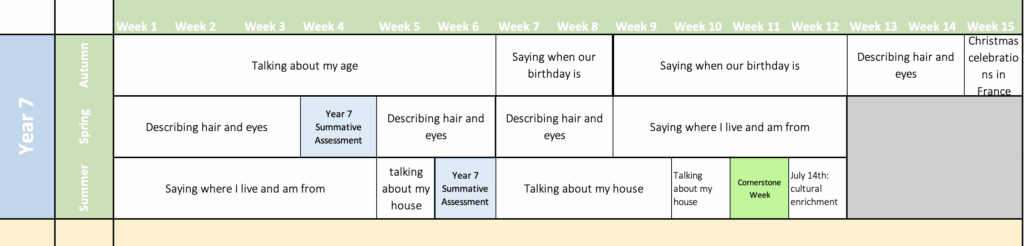
Curriculum and Assessment Maps
YEAR 7
German
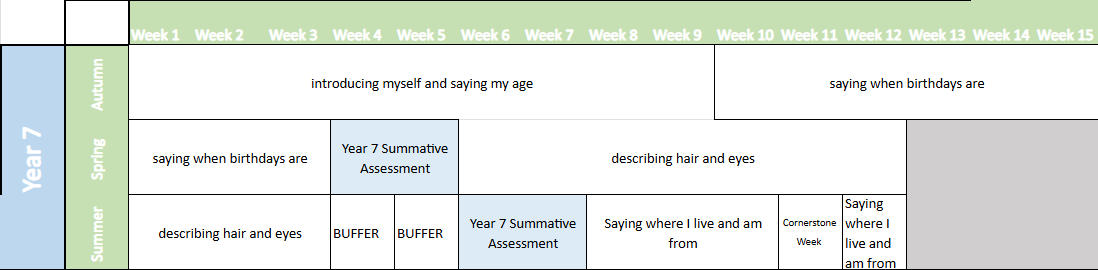
Spanish
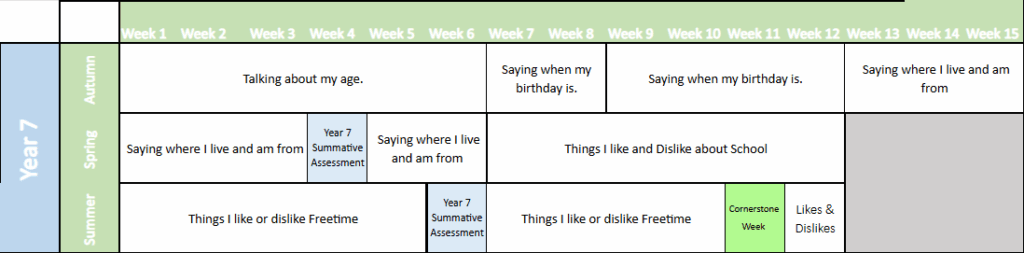
French
YEAR 8
German
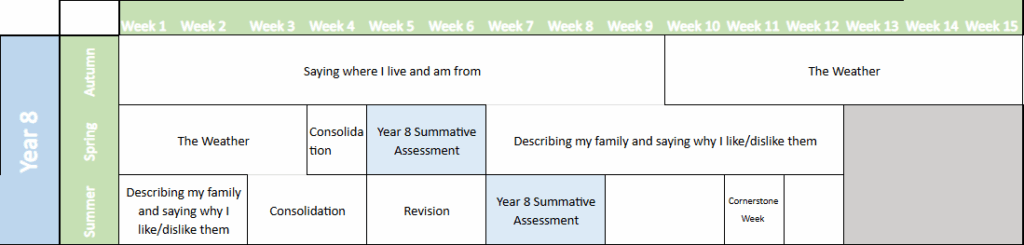
Spanish
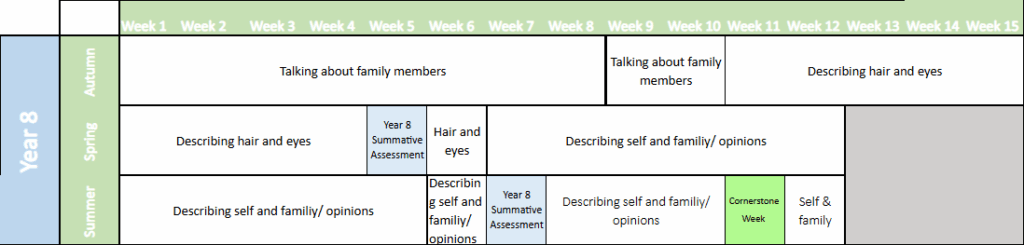
French
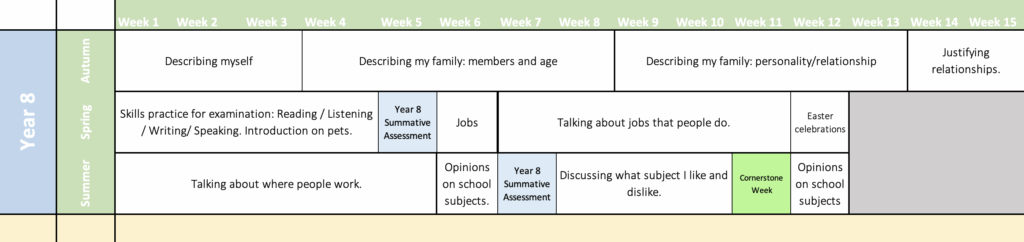
YEAR 9
German
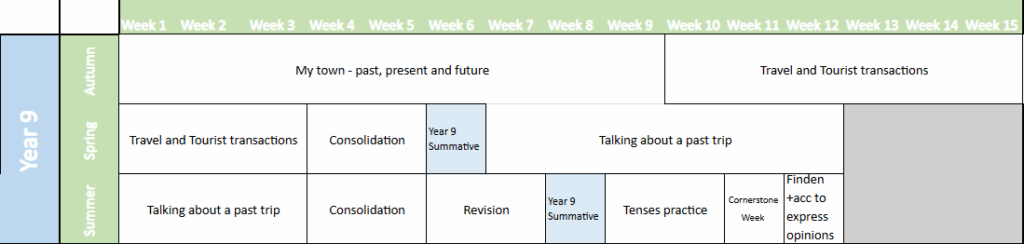
Spanish
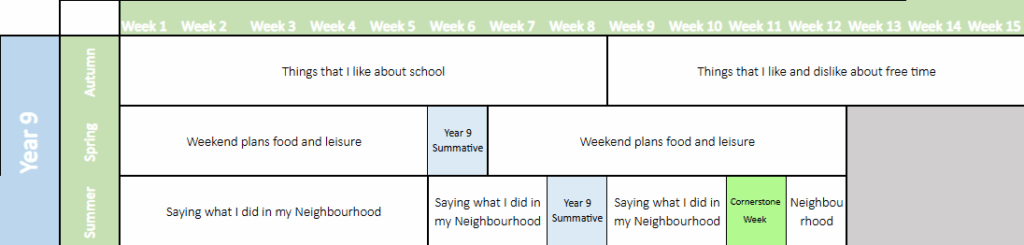
French
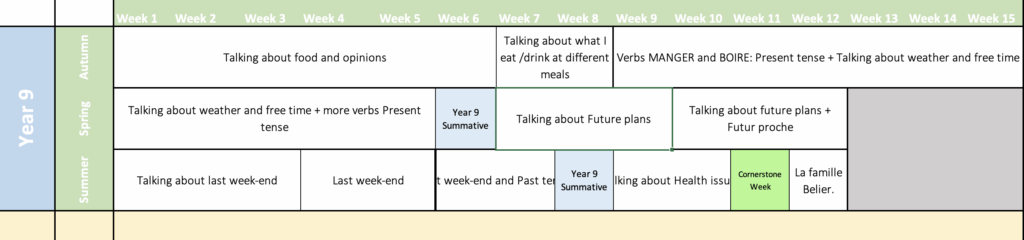
YEAR 10
German
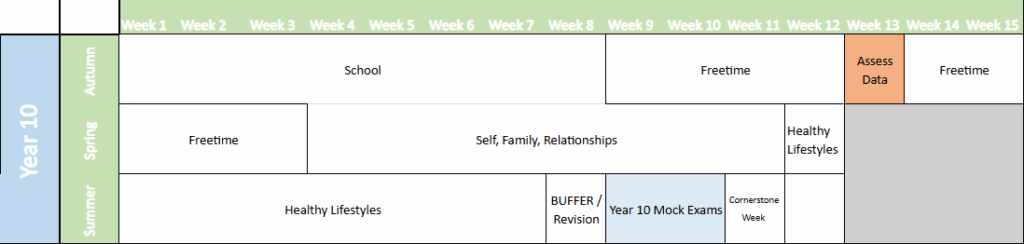
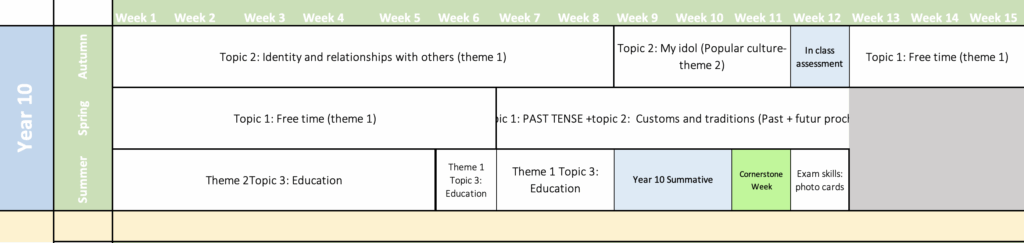
Spanish
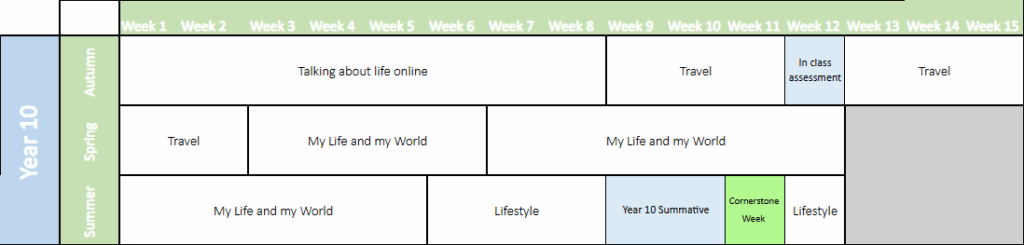
French
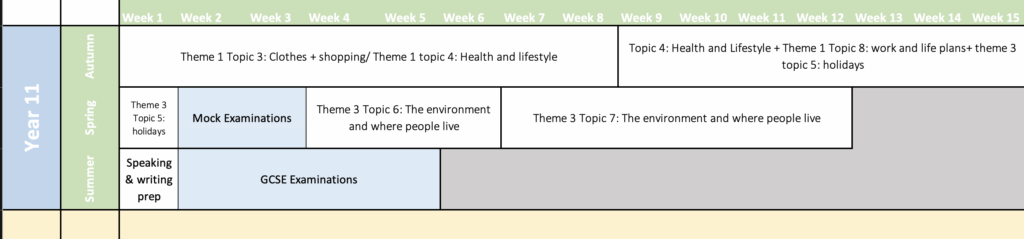
YEAR 11
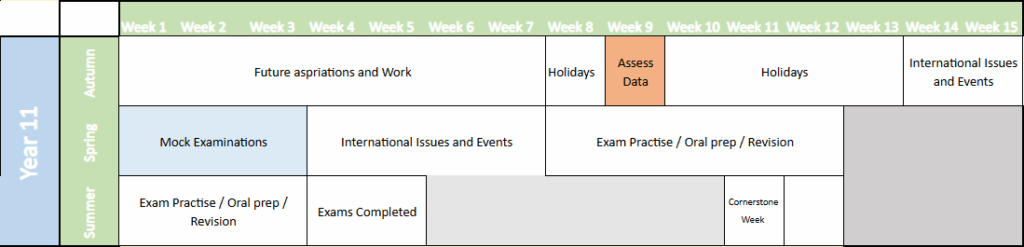
German
Spanish
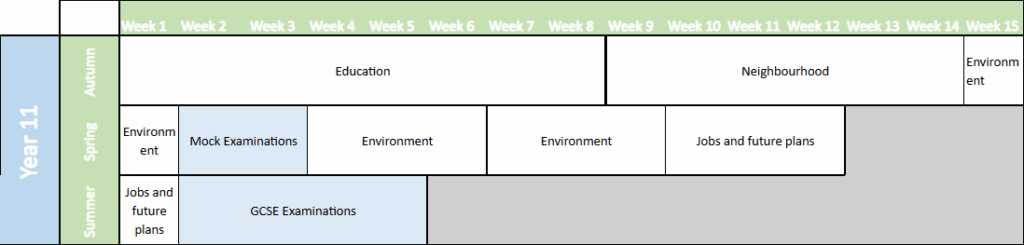
French
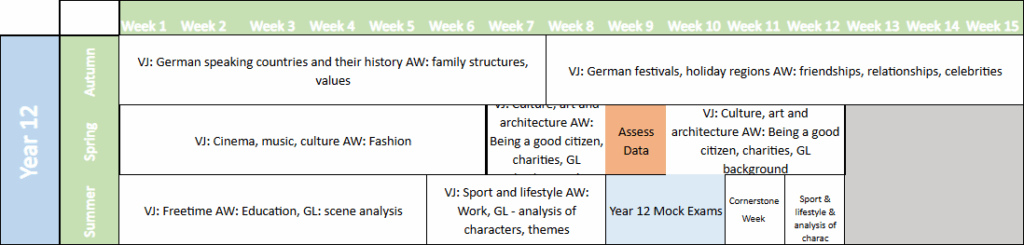
YEAR 12
German
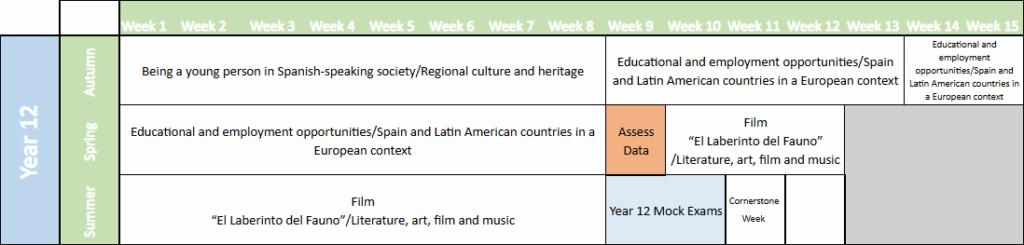
Spanish
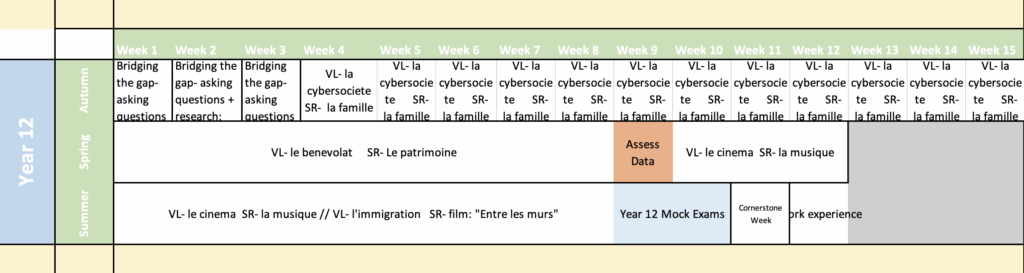
French
YEAR 13
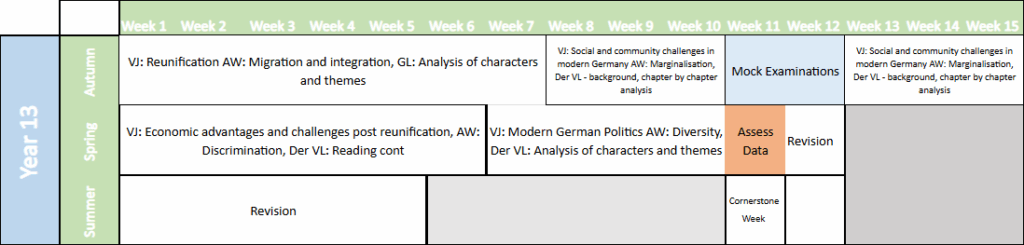
German
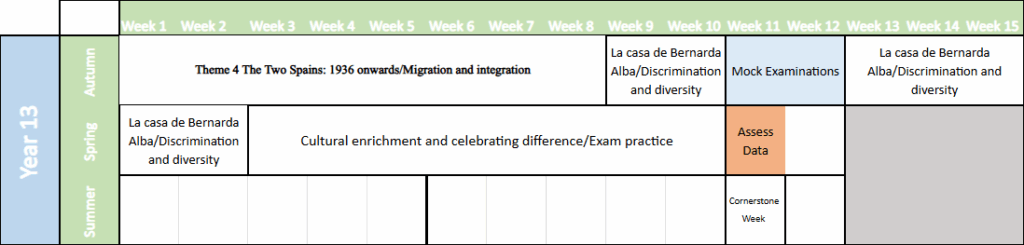
Spanish
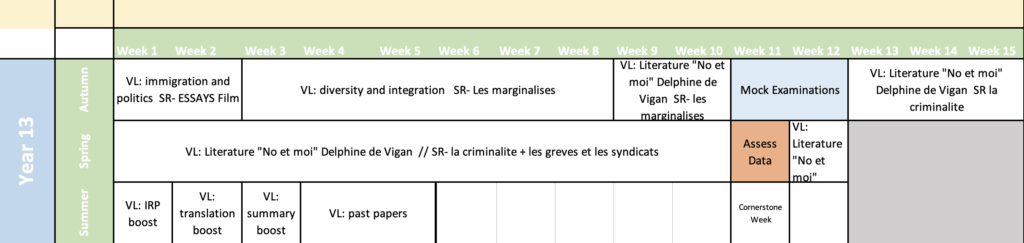
French
Further Information
STAFF
The MFL Department consists of the following staff:
Mr S Cummings (Head of Department & teacher in charge of Spanish)
Mr A Wood (Teacher in Charge of German)
Mrs V Lloyd (Teacher in Charge of French)
Mrs V James
Mrs R Tamo
Mrs S Romat
Mrs K Arnachellum
The department has seven teachers of MFL. All work together extremely well as a team and are very supportive to the Head of Department. Under the direction of the Head of Department members share responsibility for the progress of students throughout Key Stage 3, Key Stage 4 and St Hilda’s College.
HOW CAN PARENTS HELP?
- Read the teacher comments and where relevant act on them
- Use the online resources on the student portal to read ahead to be ready for new topics and review prior learning in the revise sections
- Make revision materials at the end of each topic
- Keep up-to-date with vocabulary learning
- Review your work frequently
- Improve reading skills by accessing relevant languages materials in the library
- At GCSE and A’ level, carefully read the assessment criteria and examiner’s report before assessments or examinations
WHERE NEXT
- Business
- Travel and Tourism
- Arts (especially Music) and Literature
- Science (German is the second most published language for scientific journals)
- Teaching
- Academia
- Translation and interpreting
- Any profession that requires confidence in communication, flexibility, the willingness to embrace a new challenge